A. Baptism of John the Immerser (Mark 1:4-7; Acts 19:1-5)
B. Baptism of the Holy Spirit (Mark 1:8; Acts 2:1-4)
C. Baptism of suffering (Luke 12:50; 22:44; Hebrews 5:7)
D. Baptism of fire (Matthew 3:11; 25:41, 46)
E. Baptism for the dead (1 Corinthians 15:29)
F. Baptism of the Great Commission (Matthew 28:18-20)
II. “There is one baptism” (Ephesians 4:5)
A. Immersion (Acts 8:36-39; Romans 6:3-4; Colossians 2:12)
B. Authorized by the Godhead (Matthew 28:19)
C. For the purpose of the remission of sins (Acts 2:38; 22:16)
D. For the purpose of salvation (Mark 16:16; 1 Peter 3:21)
E. Places one “in Christ” (Galatians 3:27; Romans 6:3-4)
A. Ancient east wedding custom
B. The foolish tried to get by with minimum effort and ran out of oil
II. Individual Responsibility
A. Though we are a part of the body that Jesus will save (Ephesians 5:23), we must individually work out our own salvation (Philippians 2:12-13)
B. I must let my light shine (Matthew 5:14-16)
C. The body is made up of individual members (Romans 12:4-5; 1 Corinthians 12:12-14, 27)
III. Proper Preparation
A. Do not deny the power of personal godliness (2 Timothy 3:5)
B. Do not doubt the power of God to provide (Genesis 22:7; John 1:29)
C. Do not rely on minimal effort
1. In living (Ephesians 4:1; 1 Corinthians 15:58; Luke 6:27-31)
2. In giving (2 Corinthians 8:1-5; 9:6)
3. In forgiving (Luke 6:32-36)
A. Desire + Expectation (Romans 8:23-25; 1 John 3:2-3)
B. The Scriptures provide hope (Romans 15:4; Ephesians 1:18)
C. Hope motivates purity (1 John 3:3)
D. Hope rests in Jesus (Colossians 1:27; 1 Timothy 1:1)
II. Faith
A. The faith – not a personal, subjective belief; rather, the system of faith revealed by the Holy Spirit (Ephesians 4:13; Galatians 1:23; 3:23-25)
B. The Scriptures reveal the faith (Romans 10:17)
C. Faith motivates obedience (Hebrews 11:6; James 2:14-26)
D. Faith provides victory over the world (1 John 5:4-5)
I. Praise of God for the great things He has done (25:1-5)
A. Yahweh/LORD/Jehovah – God’s faithfulness
B. Elohim/God – Lordship/Almightiness
C. Divine destruction causes glorification and fear
D. Christ’s church offers strength and protection (Matthew 11:28-32)
II. The Marriage Supper of the Lamb; prophecy of the end of death (25:6-8)
A. Symbolism of the “feast” (Luke 14:15-24; Matthew 22:1-14; 25:1-13)
B. Removing the veil (Ephesians 4:18; 2 Corinthians 3:14-16)
C. Assurance that death would cease
D. Wipe away tears (Revelation 7:17; 21:4)
III. The ultimate triumph of God over all His enemies (25:9-12)
A. Discouragement overcome by faithful focus
B. Character of Moab (Genesis 19:30-38; Numbers 22:3-6; 25:1-2; Isaiah 16:6; Jeremiah 48:29-30; 48:27, 42; Amos 2:1; Zephaniah 2:8, 10)
C. Motivation in promises and warnings
A. Christians are sealed in the Holy Spirit of promise (Ephesians 1:13; 4:30)
B. The mystery of the church was revealed by the Spirit (Ephesians 3:5)
C. The Spirit strengthens the Christian as we allow ourselves to be filled with His teaching (Ephesians 3:16; 5:18)
II. One Lord
A. Thayer: “he to whom a person or thing belongs, about which he has the power of deciding; master, lord”
B. The Lord, Jesus Christ – 9 instances the terms are combined in Ephesians (1:2, 3, 15, 17; 3:11, 14; 5:20; 6:23-24)
C. Jesus is Lord of all (John 13:13; Philippians 2:10-11)
III. One God and Father
A. The Father of lights (James 1:17), of spirits (Hebrews 12:9), of mercies (2 Corinthians 1:3), of glory (Ephesians 1:17)
B. The Father of Christians (2 Corinthians 6:17-18)
C. “Of all, who is above all, and through all, and in you all” (Ephesians 4:6; Acts 17:28-29)
A. Ephesians 1:22-23
B. Ephesians 2:14-16
C. Ephesians 3:6
D. Ephesians 4:4
E. Ephesians 4:11-16
F. Ephesians 5:23
G. Ephesians 5:30
II. What is the importance of “the body”?
A. Christ is the ____________________________ of the body (Eph. 5:23)
B. How many bodies are there? __________________________ (Eph. 4:4)
C. What is the body? __________________________ (Eph. 1:22-23)
D. How many churches are there? _________________ (Matthew 16:16-18)
E. Can one be saved outside the church? __________________________
III. How does one become a part of the “one body”?
A. 1 Corinthians 12:13
B. Is baptism essential to salvation? What saith the Scriptures? (Mark 16:16; Acts 2:38; 22:16; Romans 6:3-4; 1 Corinthians 12:13; Galatians 3:27; 1 Peter 3:21)
A. Potiphar’s wife (Genesis 39:8-9)
B. The Ten Commandments (Exodus 20:14)
C. The punishment (Deuteronomy 22:22; cf. John 8:3-11)
II. The root cause of adultery: lust (Matthew 5:28)
A. “Jesus goes behind the act and legislates against the thoughts which precede the act” (Boles)
B. We must control our desires and even our thoughts (2 Cor. 10:4-6)
C. We must be careful not to be a stumbling block for others (Romans 14:13)
III. Avoid sin at all costs! (Matthew 5:29-30)
A. The result of sin is devastating (Isaiah 59:2; 1 Corinthians 6:9-10)
B. We must not put ourselves in compromising situations (1 Corinthians 15:33; Genesis 39:12; 2 Timothy 2:22)
IV. Divorce (Matthew 5:31-32)
A. What the Old Testament says (Deuteronomy 24:1-4; Malachi 2:16)
B. What Jesus says (Matthew 19:4-9)
C. God allows divorce and subsequent marriage only when the divorce is sought because of adultery (Matthew 19:9)
I. If you are a Christian, walk like one! (Eph. 4:1)
A. Your past life is no more (Eph. 2:2-3)
B. The calling of a Christian (2 Thessalonians 2:14)
II. If you are a Christian, talk like one! (Eph. 4:2)
A. Lowliness (Romans 12:16; Philippians 2:5-8; James 4:10)
B. Gentleness (2 Timothy 2:24; James 1:21; 1 Peter 3:15)
C. Longsuffering (Colossians 3:12)
D. Forbearance in love (Colossians 3:13)
III. If you are a Christian, strive like one! (Eph. 4:3)
A. Endeavoring, giving diligence, eagerness, making every effort to maintain unity and peace (2 Timothy 2:15)
B. Our desire for unity and peace should match Jesus’ prayer (John 17:20-23) and Paul’s exhortation (1 Corinthians 1:10; Philippians 2:1-4)
A. The seraphim (different from cherubim, cf. Ezekiel 11:22)
B. The praise: “Holy, holy, holy!”
C. The house filled with smoke (cf. Revelation 15:7-8)
II. Isaiah’s unworthiness (Isaiah 6:5)
A. “All have sinned” (Romans 3:23)
B. A typical reaction (Judges 6:22; 13:22; Job 42:5-6; Luke 5:8; Revelation 1:17 Luke 23:40-41)
C. This vision is of the preincarnate Christ (John 12:36-41)
III. God’s forgiveness (Isaiah 6:6-7)
A. We must seek purification (Psalm 51:10-13)
B. Example of Saul of Tarsus (Acts 8:3; 9:1; 26:9-11; 22:16)
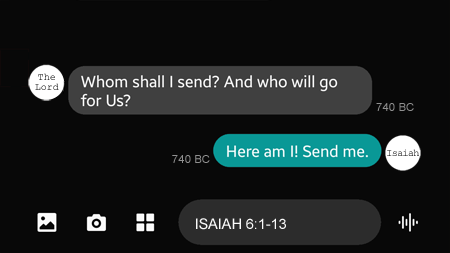
IV. Isaiah’s commission (Isaiah 6:8-13)
A. “Who will go for Us?” (cf. Genesis 1:26; John 1:1)
B. Isaiah’s response: “Here am I! Send me!”
C. God warns of the hardening of hearts
A. Prayers must be properly addressed
B. “To the Father” (Matthew 6:9)
II. Petitions (Ephesians 3:16-19)
A. Be strengthened with might through His Spirit (Ephesians 6:10, 17; Philippians 4:13)
B. Comprehend the love of Christ (Romans 5:8; 8:35-39)
C. Be filled with all the fullness of God (2 Peter 1:2-4)
III. Benediction (Ephesians 3:20-21)
A. The power of God (1 Corinthians 1:18-25)
B. To Him be glory in the church by Christ Jesus (Matthew 5:16; Galatians 6:14)
But when they believed Philip as he preached the things concerning the kingdom of God and the name of Jesus Christ, both men and women were baptized. (Acts 8:12)








 ConcerningJesus.com