A. Jesus had confidence in the power of God to establish and sustain His church (Matthew 6:13; 24:35; 16:13-18)
B. Jesus had confidence in the scheme of redemption (Matthew 16:21; 17:22-23)
C. Because of His confidence, the apostles developed a similar confidence (Acts 2:22-36)
II. CONFIDENCE OF DISCIPLES TODAY
A. We can have confidence in what God has done (Romans 6:1-10)
B. We can have confidence in what God will do (2 Corinthians 4:13-14)
C. Humility is needed to acknowledge God’s power (Psalm 44:6-8; James 4:10; Philippians 4:13)
III. WHAT CONFIDENCE CAN DO FOR US
A. We can approach His throne in prayer (Hebrews 4:14-16; 1 John 5:14-15)
B. We can boldly proclaim His truth (Acts 4:29; Ephesians 6:13-20; Romans 1:16)
A. All who remain faithful will receive an eternal reward (Revelation 2:7, 10; 3:5, 21; Philippians 3:12-14)
B. We cannot earn entrance to heaven, but we will be rewarded for what we have done (Luke 19:12-26)
C. The teacher is rewarded for the faithfulness of converts (1 Corinthians 3:5-15)
D. Wayne Jackson: “The implication is plain – the more of our converts who endure and finally arrive in heaven, the greater our joy and reward will be.”
II. Degrees of Punishment in Hell
A. “More tolerable for Tyre and Sidon” (Matthew 11:20-24)
B. Guy N. Woods: “The greater the responsibility, the greater the guilt; the greater the guilt, the greater the punishment, in the day of final accounting.”
C. “Of how much worse punishment” (Hebrews 10:24-29; 2:1-4)
D. “The latter end is worse for them than the beginning” (2 Peter 2:20)
E. Many stripes vs. few stripes (Luke 12:41-48)
A. We cannot control how another person acts, but we CAN control how we react (Romans 12:17-21)
B. We cannot be apathetic about peace – PURSUE IT! (Romans 14:19; 2 Timothy 2:22; Hebrews 12:14; 1 Peter 3:11)
II. PEACE WITH GOD
A. There is a connection between faith and peace (Mark 5:24-34; Luke 7:36-50)
B. Through Christ we can have peace not only with each other, but with God Himself (Ephesians 2:11-16)
C. Does this mean our lives will be free from conflict when we obey the Lord? (Romans 5:1-4; Matthew 10:34-39; John 16:33)
III. WE SHOULD BE SPIRITUAL PEACEMAKERS
A. Lead others into a peaceful relationship with the Almighty (Matthew 5:9; Ephesians 6:14-15)
B. You know someone who needs the peace of Christ – what are you doing about it? (Romans 10:13-15; James 3:18)
A. Who is Jesus? (Isaiah 9:6; 1 Timothy 6:15; Revelation 17:4)
B. Why did He come? To accomplish the will of God (Matthew 26:39,42; 1 Peter 2:18-23)
C. The result of Christ’s humility: God exalted Him (Philippians 2:9-11; 1 Peter 5:5-6; James 4:10)
II. WHAT DOES IT MEAN TO “HUMBLE YOURSELF”?
A. The example of Christ: serving (John 13:3-17)
B. The struggles of the apostles (Mark 10:35-45)
III. THE BLESSINGS OF HUMILITY
A. God will lift you up (James 4:10)
B. God will guide and teach you (Psalm 25:9; Jeremiah 10:23)
C. God will give you grace (Proverbs 3:34; 1 Peter 5:5; Luke 18:9-14)
D. Humility is accompanied by wisdom (Proverbs 11:2)
E. Humility is honorable (Proverbs 16:18-19; 29:23)
A. Daniel 2:31-44
B. Isaiah 2:2-3 (cf. Ephesians 2:19-22; 1 Timothy 3:15)
C. Joel 2:28-32
II. THE ESTABLISHMENT OF THE KINGDOM
A. Acts 2:1-21 (cf. Acts 11:15)
B. When they asked the question, the apostles didn’t fully understand the nature of the kingdom (John 16:12-13; 18:36; 1 Samuel 8:1-7)
III. MANY STILL MISUNDERSTAND TODAY: THE FALSE DOCTRINE OF PREMILLENNIALISM
A. Recommended reading: God’s Prophetic Word by Foy E. Wallace Jr.
B. Premillennialism “means that the second coming of the Lord will occur before the millennium begins…upon his return Christ will inaugurate the earthly kingdom referred to as the millennial reign” (Wallace 346)
C. Consequences of premillennialism
1. Makes God false to His promises (Mark 1:14-15; Deuteronomy 18:18, 22)
2. Alternates Judaism and Christianity (Hebrews 8:13)
3. Demotes Christ from His place at the right hand of God in heaven to the earth (Hebrews 1:3; 8:1)
A. Peter’s distraction in this context (John 18:15-18,25-27; 21:21-22)
B. The distractions in the parable of the sower (Luke 8:5-15)
C. Peter’s earlier distractions
1. When Jesus walked on water (Matthew 14:26-30)
2. At the Transfiguration (Matthew 17:1-7)
II. OUR FOCUS MUST BE ON FOLLOWING THE LORD
A. God must be first (Matthew 6:33; Colossians 3:1-2,5; Matthew 6:19-21; Hebrews 11:6)
B. Barclay: “Let a man serve Christ where Christ has set him” (John 21:15-22; Ephesians 4:11; 1 Corinthians 12:12-22)
C. Where is your focus? (Philippians 2:12; 1 Corinthians 9:27; Matthew 7:3-5; Galatians 6:1; Romans 12:1-2)
A. The Jews sought to stone and seize Him (John 10:22-39)
B. “Let us go to Judea again” (John 11:7)
C. Do we take the Father’s commands as seriously as the Messiah did? (John 11:9-10; James 4:13-17)
II. IS THERE ANY EXCUSE TO DISOBEY GOD OR AVOID HIS WILL?
A. The apostles feared for their lives and for the life of their Master, but that was no excuse (Mark 8:34-37; John 11:16)
B. Do we look for a way of escape from obedience?
1. “I don’t feel the need to do that” (Proverbs 14:12; 16:25; Jeremiah 10:23; Acts 23:1; 1 Timothy 1:12-13)
2. “I’ve done too many bad things” (1 Timothy 1:12-13; 1 Corinthians 6:9-11)
3. “God just wants me to be happy, no matter what!” (Matthew 5:3-10; Romans 12:1-2)
4. “I’m not ready for that level of commitment; I’ll worry about it later” (Acts 24:23-25)
5. “I’m a good person and I love Jesus, but I don’t need organized religion”
a. Romans 3:23
b. John 14:15
c. Acts 20:28; Colossians 1:24; Ephesians 5:23; Ephesians 4:4; Acts 2:47
A. “Up to seven times?” (Matthew 18:21; Amos 1:3,6,9,11,13; Job 33:29-30)
B. Context (Matthew 18:15-17)
C. The spirit of forgiveness is rooted in love (1 Corinthians 13:5)
1. Love “thinks no evil” (NKJV)
2. Love “does not take into account a wrong suffered” (NASB)
3. Love “keeps no records of wrongs” (NIV)
II. GOD’S ENORMOUS GRACE
A. The first part of the parable (Matthew 18:23-27)
B. The compassion and grace that God offers (Psalm 103:8-13; Exodus 34:6-7; Ephesians 1:7-8; Colossians 1:13-14)
III. OUR RESPONSIBILITY TOWARD EACH OTHER
A. Keep forgiving as long as you have something to forgive (Matthew 18:22)
B. God’s forgiveness is conditional (Matthew 18:28-35; Matthew 6:14-15)
C. Imitate the Lord (Colossians 3:12-13)
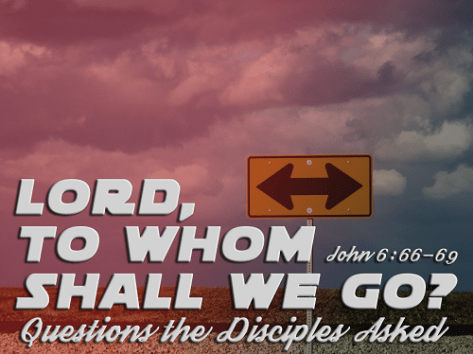
A. Corrupted Judaism (Matthew 15:8-9)
B. Corrupted Christianity (1 Corinthians 1:10; John 17:20-21)
C. Man-made religion (Buddhism, Islam, Scientology, Atheism)
II. ONLY JESUS HAS THE WORDS OF ETERNAL LIFE
A. Perversions of the gospel are not another gospel (Galatians 1:6-8)
B. Affirmed by Jesus (John 12:48; Matthew 7:24-27)
C. The example of Peter and John (Acts 4:8-20)
III. JESUS IS THE CHRIST, THE SON OF THE LIVING GOD
A. We must not ignore His revealed will in favor of our own desires
B. Living in such a way that shows your faith (James 2:14-24)
C. Obedience is prompted by faith (Hebrews 11)
But when they believed Philip as he preached the things concerning the kingdom of God and the name of Jesus Christ, both men and women were baptized. (Acts 8:12)






 ConcerningJesus.com