A. Desire + Expectation (Romans 8:23-25; 1 John 3:2-3)
B. The Scriptures provide hope (Romans 15:4; Ephesians 1:18)
C. Hope motivates purity (1 John 3:3)
D. Hope rests in Jesus (Colossians 1:27; 1 Timothy 1:1)
II. Faith
A. The faith – not a personal, subjective belief; rather, the system of faith revealed by the Holy Spirit (Ephesians 4:13; Galatians 1:23; 3:23-25)
B. The Scriptures reveal the faith (Romans 10:17)
C. Faith motivates obedience (Hebrews 11:6; James 2:14-26)
D. Faith provides victory over the world (1 John 5:4-5)
I. Praise of God for the great things He has done (25:1-5)
A. Yahweh/LORD/Jehovah – God’s faithfulness
B. Elohim/God – Lordship/Almightiness
C. Divine destruction causes glorification and fear
D. Christ’s church offers strength and protection (Matthew 11:28-32)
II. The Marriage Supper of the Lamb; prophecy of the end of death (25:6-8)
A. Symbolism of the “feast” (Luke 14:15-24; Matthew 22:1-14; 25:1-13)
B. Removing the veil (Ephesians 4:18; 2 Corinthians 3:14-16)
C. Assurance that death would cease
D. Wipe away tears (Revelation 7:17; 21:4)
III. The ultimate triumph of God over all His enemies (25:9-12)
A. Discouragement overcome by faithful focus
B. Character of Moab (Genesis 19:30-38; Numbers 22:3-6; 25:1-2; Isaiah 16:6; Jeremiah 48:29-30; 48:27, 42; Amos 2:1; Zephaniah 2:8, 10)
C. Motivation in promises and warnings
A. Christians are sealed in the Holy Spirit of promise (Ephesians 1:13; 4:30)
B. The mystery of the church was revealed by the Spirit (Ephesians 3:5)
C. The Spirit strengthens the Christian as we allow ourselves to be filled with His teaching (Ephesians 3:16; 5:18)
II. One Lord
A. Thayer: “he to whom a person or thing belongs, about which he has the power of deciding; master, lord”
B. The Lord, Jesus Christ – 9 instances the terms are combined in Ephesians (1:2, 3, 15, 17; 3:11, 14; 5:20; 6:23-24)
C. Jesus is Lord of all (John 13:13; Philippians 2:10-11)
III. One God and Father
A. The Father of lights (James 1:17), of spirits (Hebrews 12:9), of mercies (2 Corinthians 1:3), of glory (Ephesians 1:17)
B. The Father of Christians (2 Corinthians 6:17-18)
C. “Of all, who is above all, and through all, and in you all” (Ephesians 4:6; Acts 17:28-29)
A. Ephesians 1:22-23
B. Ephesians 2:14-16
C. Ephesians 3:6
D. Ephesians 4:4
E. Ephesians 4:11-16
F. Ephesians 5:23
G. Ephesians 5:30
II. What is the importance of “the body”?
A. Christ is the ____________________________ of the body (Eph. 5:23)
B. How many bodies are there? __________________________ (Eph. 4:4)
C. What is the body? __________________________ (Eph. 1:22-23)
D. How many churches are there? _________________ (Matthew 16:16-18)
E. Can one be saved outside the church? __________________________
III. How does one become a part of the “one body”?
A. 1 Corinthians 12:13
B. Is baptism essential to salvation? What saith the Scriptures? (Mark 16:16; Acts 2:38; 22:16; Romans 6:3-4; 1 Corinthians 12:13; Galatians 3:27; 1 Peter 3:21)
A. Potiphar’s wife (Genesis 39:8-9)
B. The Ten Commandments (Exodus 20:14)
C. The punishment (Deuteronomy 22:22; cf. John 8:3-11)
II. The root cause of adultery: lust (Matthew 5:28)
A. “Jesus goes behind the act and legislates against the thoughts which precede the act” (Boles)
B. We must control our desires and even our thoughts (2 Cor. 10:4-6)
C. We must be careful not to be a stumbling block for others (Romans 14:13)
III. Avoid sin at all costs! (Matthew 5:29-30)
A. The result of sin is devastating (Isaiah 59:2; 1 Corinthians 6:9-10)
B. We must not put ourselves in compromising situations (1 Corinthians 15:33; Genesis 39:12; 2 Timothy 2:22)
IV. Divorce (Matthew 5:31-32)
A. What the Old Testament says (Deuteronomy 24:1-4; Malachi 2:16)
B. What Jesus says (Matthew 19:4-9)
C. God allows divorce and subsequent marriage only when the divorce is sought because of adultery (Matthew 19:9)
I. If you are a Christian, walk like one! (Eph. 4:1)
A. Your past life is no more (Eph. 2:2-3)
B. The calling of a Christian (2 Thessalonians 2:14)
II. If you are a Christian, talk like one! (Eph. 4:2)
A. Lowliness (Romans 12:16; Philippians 2:5-8; James 4:10)
B. Gentleness (2 Timothy 2:24; James 1:21; 1 Peter 3:15)
C. Longsuffering (Colossians 3:12)
D. Forbearance in love (Colossians 3:13)
III. If you are a Christian, strive like one! (Eph. 4:3)
A. Endeavoring, giving diligence, eagerness, making every effort to maintain unity and peace (2 Timothy 2:15)
B. Our desire for unity and peace should match Jesus’ prayer (John 17:20-23) and Paul’s exhortation (1 Corinthians 1:10; Philippians 2:1-4)
A. The seraphim (different from cherubim, cf. Ezekiel 11:22)
B. The praise: “Holy, holy, holy!”
C. The house filled with smoke (cf. Revelation 15:7-8)
II. Isaiah’s unworthiness (Isaiah 6:5)
A. “All have sinned” (Romans 3:23)
B. A typical reaction (Judges 6:22; 13:22; Job 42:5-6; Luke 5:8; Revelation 1:17 Luke 23:40-41)
C. This vision is of the preincarnate Christ (John 12:36-41)
III. God’s forgiveness (Isaiah 6:6-7)
A. We must seek purification (Psalm 51:10-13)
B. Example of Saul of Tarsus (Acts 8:3; 9:1; 26:9-11; 22:16)
IV. Isaiah’s commission (Isaiah 6:8-13)
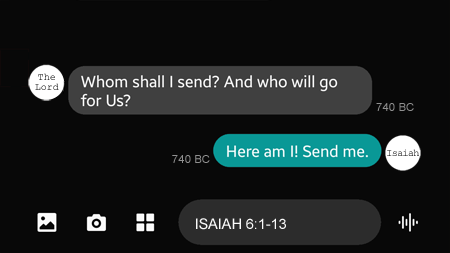
A. “Who will go for Us?” (cf. Genesis 1:26; John 1:1)
B. Isaiah’s response: “Here am I! Send me!”
C. God warns of the hardening of hearts
A. Prayers must be properly addressed
B. “To the Father” (Matthew 6:9)
II. Petitions (Ephesians 3:16-19)
A. Be strengthened with might through His Spirit (Ephesians 6:10, 17; Philippians 4:13)
B. Comprehend the love of Christ (Romans 5:8; 8:35-39)
C. Be filled with all the fullness of God (2 Peter 1:2-4)
III. Benediction (Ephesians 3:20-21)
A. The power of God (1 Corinthians 1:18-25)
B. To Him be glory in the church by Christ Jesus (Matthew 5:16; Galatians 6:14)
I. “The Lord has done great things for us, and we are glad” (Psalm 126:1-4)
A. Do we express joy as we should for the blessings of God?
B. Delivered from the bondage of sin, do we now laugh and sing and tell everyone about Jesus?
II. Bringing in the sheaves (Psalm 126:5-6)
A. “Blessed are those that mourn, for they shall be comforted” (Matthew 5:4)
B. “Winners for souls are first weepers for souls.” (Spurgeon)
C. At the harvest, after the hard work of reaping, “We shall come rejoicing”
A. His humility: “Less than the least of all the saints” (cf. 1 Corinthians 15:9; 1 Timothy 1:15)
B. His task: “To preach…the unsearchable riches of Christ” (2 Timothy 4:2)
II. God’s manifold wisdom (Ephesians 3:9-11)
A. From creation, was hidden – even from the prophets and the angels (1 Peter 1:10-12)
B. Now made known by the church
C. This was God’s eternal purpose, accomplished in Jesus
III. Our boldness and confidence
A. Comes through faith (Romans 10:17; Hebrews 10:19-25)
B. We should not be discouraged, but keep working (1 Corinthians 15:58; Galatians 6:9)
But when they believed Philip as he preached the things concerning the kingdom of God and the name of Jesus Christ, both men and women were baptized. (Acts 8:12)







 ConcerningJesus.com