Tag Archives: Church

The Organization of the Church

The Organization of the Church

I. Elders

    A. Scriptural names for this office

      1. Elders (Titus 1:5; 1 Peter 5:1), presbyters (1 Timothy 4:14)
      2. Bishops (Philippians 1:1; 1 Timothy 3:1; Titus 1:7), overseers (Acts 20:28; 1 Peter 5:2)
      3. Pastors (Ephesians 4:11), shepherds (Acts 20:28; 1 Peter 5:2)

    B. Qualifications to serve as an elder (1 Timothy 3:1-7; Titus 1:6-9)
    C. Spiritual duties of the eldership (Acts 20:28; 1 Timothy 3:4; Hebrews 13:17; 1 Peter 5:2; Titus 1:10-11)

II. Deacons

    A. diakonos is a servant or minister (Phil. 1:1; 1 Tim. 3:8-13)
    B. Qualifications to serve as a deacon (1 Timothy 3:8-13)
    C. Duty is service in whatever capacity appointed to them by the elders (Acts 6:1-6)

The Worship of the Church

The Worship of the Church

I. Jesus talks to a Samaritan woman

    A. Where to worship (Jn.4:19-21; Gen. 22:5; Acts 8:27; 24:11)
    B. Understanding in worship (John 4:22; 1 Cor. 14:15-16)
    C. True worship vs. false worship (John 4:23-24; Mt. 15:8-9)

II. “In spirit”

    A. The proper attitude (Psalm 122:1; Acts 2:46-47; Hebrews 10:19-25)
    B. Is spirit enough? (1 Samuel 15:7-9, 13-15, 22-23)

III. “In truth”

    A. Prayer (Acts 2:42; 1 Timothy 2:1, 8; Acts 12:12)
    B. Singing (Colossians 3:16-17)
    C. Preaching (1 Timothy 4:2; Acts 17:11)
    D. Remembering the Lord’s death (Matthew 26:26-29; Acts 20:7; 1 Corinthians 11:23-26)
    E. Giving (1 Corinthians 16:2; 2 Corinthians 8:7-9)
    F. Is truth enough?

The Identity of the Church

The Identity of the Church

I. The church in prophecy, promise, and practice

    A. Prophecy (Isaiah 2:2-4; Micah 4:1-3)
    B. Promise (Matthew 16:18-19)
    C. Practice (Acts 2:41-47)

II. The distinctive and singular nature of the church

    A. One flock (John 10:16; Acts 20:28)
    B. One body (Ephesians 4:4; 1:22-23)
    C. One bride (Romans 7:1-4; Ephesians 5:22-33)

III. Identifying the church of the Bible by its traits

    A. The designation (Acts 20:28; 1 Tim. 3:15; Romans 16:16)
    B. Organization (Philippians 1:1; Ephesians 4:11-12)
    C. Worship (Acts 2:42; 20:7; 1 Cor. 16:2; Colossians 3:16-17)

IV. A rejection of division

    A. The Lord prayed for unity (John 17:20-21)
    B. The Lord paid for unity (Ephesians 2:14-16)
    C. The Lord pleaded for unity (1 Corinthians 1:10)
    D. The Lord planned for unity (Ephesians 4:1-6)

V. How one becomes a part of the Lord’s church

    A. The Lord is the one who adds a person to the church (Acts 2:37-40, 47)
    B. Those who are added must continue in the faith (1 Corinthians 10:12; 15:58)

What Makes a Strong Church?

What Makes a Strong Church?

I. A strong church is a converted church

    A. Priorities (Matthew 6:33)
    B. Conviction (1 Peter 3:15)
    C. Love (1 John 5:3)

II. A strong church is a working church

    A. Every Christian must bear fruit and win souls (James 1:22)
    B. Prevents worldliness (1 John 2:15-17)
    C. Prevents error (Matthew 7:21-23)

III. A strong church is a praying church

    A. We should communicate with God often (Hebrews 4:16)
    B. Every faithful Christian’s prayer is powerful (James 5:16)

IV. A strong church is a united church

    A. Christ prayed for unity (John 17:20-21)
    B. Paul preached unity (1 Corinthians 1:10)

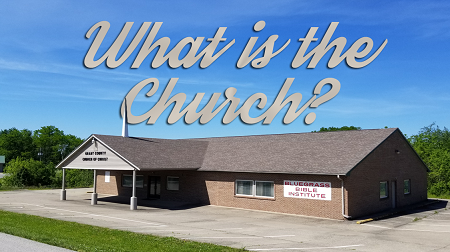
What is the Church?

What is the church

I. The church is not a denomination

    A. Started in Jerusalem, then expanded to the whole world (Matthew 28:19; Mark 16:15; Luke 24:47; Acts 1:8; 8:1,4)
    B. “Church” is used in a universal sense (Matthew 16:18; Act 2:47) and a local sense (Romans 16:1,5)
    C. Division and teaching things contrary to Scripture is condemned (1 Corinthians 1:10; Galatians 1:6-9)

II. The church is the collection of the saved

    A. The Lord adds to His one body, the church (Acts 2:47; Ephesians 5:23; 1:22-23; 4:4)
    B. The church is a body of unity (Ephesians 4:1-6; John 17:20-21)
    C. Only the faithful will be saved (Hebrews 5:8-9; Revelation 2:10; Matthew 16:24)

III. How does one become a member of the Lord’s church?

    A. Or, “What must I do to be saved?” (Acts 2:38-41)
    B. How does one get into Christ? (Romans 6:3-7; Colossians 2:12; Galatians 3:26-27)
    C. How does one get into the church? (1 Corinthians 12:13; Acts 2:47)

Fervent in Spirit, Serving the Lord

          No matter what one’s role is in the church, he is expected to be zealous in performing the will of God in that role. In the words of James Burton Coffman, “A lazy Christian is a contradiction of terms. Having been saved from the guilt and ravages of sin, the Christian is man at the zenith of his best powers.”
          It is not possible for one who truly understands what God has done to be apathetic. Christianity is not a hobby; it is a way of life. The church is not a social club; it is a spiritual family.
          The elders are not overlords; they are shepherds who care for your soul. The deacons are not junior elders; they are servants who carry out specific works in the church. The preacher is not a performer; he is a student and messenger of God’s Word.
          Members are not spectators; they are essential parts of the body, and if the church is going to be healthy, every member must be just as fervent in spirit as the elders, deacons, and preacher as they serve the Lord!

The Growth of the First Century Church

Acts 2:44-47

I. Their United Effort

    A. “Together” / “Common” / “With one accord” (Acts 2:44-47)
    B. NOT unity in diversity! Unity in the apostles’ doctrine (Acts 2:42; 1 Corinthians 1:10; John 17:20-21)
    C. Striving for peace (Acts 6:1,7; Romans 14:19; Ephesians 4:1-3)

II. Their Steadfast Nature

    A. Steadfast in doctrine, fellowship, breaking of bread, and prayers (Acts 2:42; 1 Corinthians 15:58; 16:13)
    B. Danger of not being steadfast (Galatians 1:6-9)
    C. Self-discipline (Romans 12:1)

III. Their Belief in the Message

    A. “Into all the world” (Mark 16:15; Colossians 1:23)
    B. Unafraid when opposed (Acts 4:18-20; Galatians 1:10)
    C. Despite persecutions, they believed (Acts 8:1-3; 2 Cor. 11:24-27; Acts 12:1-2; 8:4)

Just Because We Don’t Know…

Brother Wayne Jackson once wrote an article in which he stated, “As far as I am able to determine, medical science has yet to find out any purpose for the appendix.” Since that article was written, some evidence has come to light showing that the appendix plays a role in the function of the human immune system.

So what? Just because we don’t (or didn’t) know the exact reason for the appendix, it doesn’t mean it wasn’t doing some work for us. Likewise, in the body of Christ, the fruits of one’s labors may not be evident to us, but that doesn’t mean they are not laboring.

There are many who do their work in the kingdom behind the scenes, privately encouraging those who need encouragement through cards, calls, and visits. It would be foolish to suggest that such things are not needed, or that those who perform such tasks are not important in the kingdom of Christ.

Just as the different members of our physical bodies have different functions, so the different members of the spiritual body of Christ have different functions. Not everyone serves in a public way as an elder, or a deacon, or a Bible class teacher—but everyone must function in some way! Consider carefully Paul’s words in 1 Corinthians 12:21-22, and respect and support your fellow workers in their tasks.

Always keep in mind that what you do, even if it is not seen by men, is seen by God. “For God shall bring every work into judgment, with every secret thing, whether it be good, or whether it be evil” (Ecclesiastes 12:14). For this reason, we should be diligent in our service for the Lord. “And let us not be weary in well doing: for in due season we shall reap, if we faint not” (Galatians 6:9).

Whether you are a hand, a foot, an eye, an ear, or even an appendix, you do have an important function in the body of Christ. Be sure you are fulfilling your duty.