A. “Then the Lord appeared to him” (18:1)
B. Their identity is not yet known to the patriarch (18:2; cf. Hebrews 13:2)
II. Abraham’s hospitality (Genesis 18:2b-8)
A. Abraham showed respect (18:2b-3; cf. 18:12)
B. Abraham offered them rest and refreshment (18:4-5)
C. Abraham and Sarah went above and beyond in providing for these strangers (18:6-8; cf. Judges 13:15)
III. Hospitality still expected of God’s people
A. Required of overseers or elders (1 Timothy 3:2; Titus 1:8)
B. Commanded for all Christians (Romans 12:13; 1 Peter 4:9; cf. Hebrews 13:12; Luke 6:31-36)
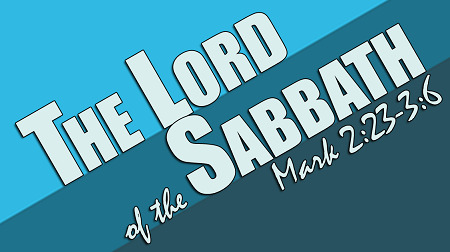
A. Man becomes a fault-finder (2:23-24; cf. Exodus 34:21; Deuteronomy 23:25)
B. Judgment becomes hypocritical (2:25-26; cf. 1 Samuel 21:1-6; Leviticus 24:5-9)
II. The Sabbath and its relation to man and God (2:27-28)
A. What is the Sabbath? (Exodus 20:8-11; Deuteronomy 5:15)
B. Who is “the son of Man”?
III. Truth shines through goodness (3:1-6)
A. The Lord’s location (3:1-2)
B. The Lord’s question (3:3-4)
C. The Lord’s emotions (3:5)
D. The Lord’s power (3:5)
E. The Lord’s enemies (3:6; 1 Peter 2:20-25)
A. The only fast commanded by God was the Day of Atonement (Leviticus 16:29-31; 23:26-32; Numbers 29:7)
B. Other reasons for fasting can be observed: war (Judges 20:26; 1 Samuel 7:6); danger (Ezra 8:21-23; Esther 4:16); illness (2 Samuel 12:16-23); death (1 Samuel 31:13; 2 Samuel 1:12); forgiveness (1 Kings 21:17-29; Jonah 3:4-10; Nehemiah 9:1-3)
C. Just as reasons varied, so did lengths of fasts – from one day (Judges 20:26) to seven days (1 Samuel 31:13)
II. New Testament
A. Many fasted for ritualism (Luke 18:12) and show (Matthew 6:16)
B. Reasons for proper fasts in the New Testament: ministry (Matthew 4:1-11; 2 Corinthians 6:4-10; 11:23-28); sending out missionaries (Acts 13:1-3); appointment of elders (Acts 14:21-23)
III. What about today?
A. Jesus expects His disciples to fast (Matthew 6:16-17)
B. First century Christians practiced fasting (Acts 13:1-3; 14:21-23; 2 Corinthians 6:4-10; 11:23-28)
C. Fasting should be done to help us focus on a specific spiritual purpose
A. John’s disciples and the Pharisees fasted (Luke 7:33; 18:12), but Jesus’ disciples did not
B. Fasting was seen as a measure of commitment, humility, and piety (Psalm 35:13; 69:10)
II. Three illustrations (2:19-22)
A. The bridegroom (2:19-20)
1. While Jesus was present, it would not be appropriate – this was a time of rejoicing! (John 3:29)
2. But, a time of mourning would come (John 16:16-22; Ecclesiastes 3:1)
B. The cloth (2:21)
C. The wineskins (2:22)
D. Judaism and the accompanying corruptions brought about by human tradition would be replaced by something entirely new—Christianity!
A. When we come face-to-face with God’s holiness, we see how undeserving we are (Job 40:3-5; Isaiah 6:5)
B. Yet, His grace allows us to be near Him, in His embrace (Ephesians 2:8-9)
II. God’s guidance
A. Closeness to God gives us peace and rest (Isaiah 26:3; Matthew 11:28-30)
B. Closeness to His Word provides guidance and guards us from sin (Psalm 31:3; 73:24)
III. God’s glory
A. If abide in His Word, He will never abandon us—in times of joy, sorrow, or even death (Hebrews 13:5-6)
B. And when that time of death comes and we await the final judgment, we have confidence that He has prepared a place in glory—in His eternal “home on high” (John 14:1-3)
I. Jesus calls Levi [also known as Matthew] (Mark 2:13-14)
A. The multitudes taught (Mark 2:13)
B. Yet, the Teacher took the time to address the individual – and an individual unworthy of His attention [in the eyes of man] (Mark 2:14)
II. Jesus eats with Levi and his friends (Mark 2:15-16)
A. Tax collectors and sinners (Mark 2:15)
B. The Pharisees criticize Jesus (Mark 2:16)
III. Jesus reveals His purpose (Mark 2:17)
A. The physician treats the sick, not the well (Mark 2:17a)
B. The Lord calls sinners, not the righteous (Mark 2:17b; cf. Luke 19:10; Romans 3:10)
A. Even when persecuted and ridiculed (Matthew 9:3, 10-11, 24, 34)
B. If it happened to Jesus, it will happen to Jesus’ followers – rejoice! (1 Peter 4:12-16)
C. Don’t let anything in this world stop you, recognizing that God is with you when you obey His will (Matthew 28:18-20; Hebrews 13:5-6)
II. Look upon opportunities with love (Matthew 9:36-37)
A. Jesus’ compassion compelled Him to help (Matthew 14:14; 15:32; Mark 1:40-41; 5:19; Luke 7:11-15)
B. You are not expected to do what is beyond your ability, but you are expected to do all that you can! (2 Corinthians 8:12)
III. Pray (Matthew 9:38)
A. Pray for more workers (Matthew 9:38)
B. Pray for boldness in the work (Acts 4:29; Ephesians 6:18-20)
A. Answering the error of a misapplication of Romans 5:20b
B. Jesus died to sin (6:10), when we are baptized into Christ (and into His death) we also die to sin through Him—and we die to ourselves! (cf. Romans 8:13; Galatians 2:20; Luke 14:33; Romans 12:1)
II. Burial (6:3-4)
A. This points to the mode of baptism – “buried”
B. An act of submission
III. Resurrection (6:4)
A. Just as Jesus died, we die – just as Jesus was buried, we are buried – just as Jesus was raised, we are raised
B. The purpose: “to walk in newness of life” because we are dead to sin, freed from sin, made a new creation in Christ (2 Corinthians 5:17)
IV. What it means for the Christian (6:5-11)
A. We are united with Him in His death and resurrection (6:5)
B. We are freed from sin (6:6-7)
C. We live with Him to God (6:8-11)
A. Taught by example – He went to the synagogue (1:21)
B. Taught by word – consistency between His words and actions, unlike the scribes (1:21-22)
II. The existence of evil (1:23-24)
A. The man with an unclean spirit was among God’s people at the synagogue (1:23; cf. 1 Peter 5:8)
B. The demon knew who Jesus was (1:24; cf. James 2:19)
III. The power of Jesus demonstrated (1:25-26)
A. Restrained the demon’s ability to speak (1:25)
B. Forced the demon to exit the man’s body (1:25)
C. The demon left, but did not go without a fight (1:26)
IV. The reaction of the people (1:27-28)
A. Amazed at His authority over evil (1:27)
B. When amazing things happen, word gets around (1:28)
But when they believed Philip as he preached the things concerning the kingdom of God and the name of Jesus Christ, both men and women were baptized. (Acts 8:12)










 ConcerningJesus.com