A. For mercy and grace (Hebrews 4:14-16)
B. For peace (Philippians 4:6-7)
C. For forgiveness (1 John 1:8-10; Psalm 51)
II. Our circumstances call for specific prayers
A. When illness befalls us (James 5:13-16)
B. When facing persecution (Acts 12:12; Acts 16:25)
C. When making important decisions (Luke 6:12-13; Acts 6:1-6)
D. When preparing for and engaging in a new work (Nehemiah 2:1-5; Acts 13:2-3)
A. The kingdom was prophesied (Dan. 2:44; Matt. 3:2; 4:17)
B. The kingdom was prayed for (Matthew 6:10)
C. The kingdom was promised (Matthew 16:18-19)
D. The kingdom was preached (Acts 2; 8:12; 19:8; 28:23-31)
E. This same kingdom still exists today (Mark 9:1; Acts 2; Colossians 1:13)
II. Yours is the power…forever
A. The “mighty works” of Jesus (Matt. 11:20-23; 13:54, 58)
B. It was by God’s power that…
1. Jesus was conceived (Luke 1:35)
2. Jesus was raised from the dead (Philippians 3:10)
3. The soul-saving Scriptures were written (Romans 1:16; 2 Peter 1:3)
C. Why do so many deny the power of God? (2 Tim. 3:5)
III. Yours is the glory…forever
A. Glory shines in the life of Jesus (John 1:14)
B. Glory shines in the resurrection of Jesus (Romans 6:4)
C. Glory shines in the ascension of Jesus (1 Timothy 3:16)
D. Glory shines in the foreverness of Jesus (Colossians 3:4;
2 Timothy 2:10)
A. All the time, yes (1 Thessalonians 5:17; Philippians 4:6)
B. In sorrow and great distress (Matthew 26:37)
C. When we are alone (Matthew 26:21, 31, 34)
II. Where should we pray?
A. In seclusion (John 18:1)
B. Separated Himself even from His closest friends (Matthew 26:37; Luke 22:41)
III. How should we pray?
A. With persistence (Matthew 26:39, 42, 44)
B. Earnestly (Luke 22:44)
C. Humbly (Matthew 26:39 fell on His face)
D. Seeking God’s will (Matthew 26:39, 42; 1 John 5:14)
IV. What happens when we pray like Jesus prayed?
A. God hears us (Hebrews 5:7)
B. We receive strength from God
1. Through His Word (Psalm 119:28)
2. Through His servants (Luke 22:43; James 5:16)
A. The need for authenticity (Philippians 2:14-16)
B. The danger of dishonesty (Eph. 4:25; Matthew 5:33-37)
II. “Give me neither poverty nor riches—feed me with the food allotted to me”
A. Be content with God’s blessings (Philippians 4:11-13)
B. Do not worry about the things of this life (Mt. 6:25-34)
C. Focus on what really matters (Colossians 3:1-5)
III. The problem with prosperity
A. Forgetting and denying the source of all blessings (James 1:17; Job 31:24-25, 28; Hosea 13:6)
B. Self-reliance / self-sufficiency (Deuteronomy 8:11-17; 31:20; Nehemiah 9:24-26; Hosea 13:6)
C. Apathy and indifference toward the work of the church (Revelation 3:15-19)
D. You can never have enough! (Eccl. 5:10; Luke 12:15-21)
IV. The problem with poverty
A. Covetousness (1 Timothy 6:9-10)
B. The temptation to steal, betraying love (Romans 13:9; Ephesians 4:28)
C. Cursing God for not perceived neglect (Isaiah 8:21)
I. The condition of man and conception of God (1:4-5)
A. “Wept, and mourned…fasting and praying” (1:4; cf. Romans 9:2)
B. “LORD God of heaven” (1:5)
II. Persistence (1:6)
A. Appeal for God’s attention (cf. Isaiah 59:1-2; 1 Peter 3:12)
B. “Day and night” (cf. 1 Thessalonians 5:17; Nehemiah 2:1)
III. Contrition of heart (1:6-7)
A. Nehemiah prayed for Israel and confessed their sin
B. Nehemiah acknowledged his own failings (cf. Isaiah 6:5; 1 John 1:8)
IV. God’s character (1:8-10)
A. God’s promise – “If you are unfaithful, I will scatter…if you return, I will gather” (1:8-9)
B. God’s possession – “Your servants…Your people” (1:10)
C. God’s pattern – “whom You have redeemed” (1:10)
V. God’s providential work (1:11)
A. Asked for “mercy in the sight of” Artaxerxes the king
B. We should pray that the government acts in such a way that opens doors for the people of God (cf. 1 Tim. 2:1-4)
A. Daniel was a man of principle (Daniel 1:8; 6:3-4; 9:3)
B. Daniel devoted time to God (cf. Romans 12:12; Colossians 4:2; Luke 18:1)
C. Daniel thanked God in prayer (cf. 1 Thessalonians 5:16-18; Philippians 4:6)
D. Daniel refused to compromise
II. The faithfulness of God (Daniel 9:4)
A. Great (cf. Job 5:9; 37:5)
B. Awesome (“dreadful” KJV) (cf. Genesis 3:10; Ecclesiastes 12:13)
C. Keeps His covenant and mercy with those who love Him and keep His commandments (Psalm 103:17-18; John 14:15; 1 John 5:3)
III. The spiritual condition of the people (Daniel 9:5-15)
A. Sin is lawlessness (1 John 3:4)
B. Failure to heed the warnings of God’s spokesmen (cf. 2 Chronicles 36:15-21)
C. The contrast between man and God
D. Consequences of disobedience known since deliverance from Egypt (Leviticus 26:14-39; Deuteronomy 28:15-68)
IV. The plea for mercy (Daniel 9:16-19)
A. Turn away Your anger and fury
B. Cause Your face to shine on Your people
C. Not because we are righteous (we are not!) but because You are righteous
D. Hear, forgive, listen, and act
A. Empathy and love
B. The privilege of intercession (1 Timothy 2:1-4)
C. Jesus’ ultimate intercession for us (Isaiah 53:12; Romans 8:34; Hebrews 7:25)
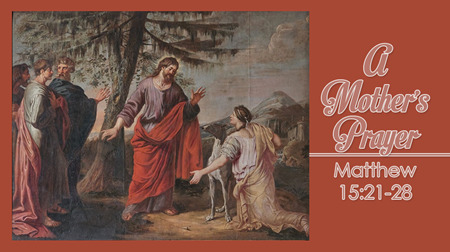
II. A specific petition (Matthew 15:22b)
A. Whether suffering, sick, or ensnared in sin—be specific! (James 5:13-16)
B. He cares! (1 Peter 5:6-7)
III. A persistent petition (Matthew 15:23-24)
A. Despite the silence of the Savior
B. Despite the annoyance of the apostles
C. Despite the apparent hesitance to help
IV. A reverential petition (Matthew 15:25)
A. She worshiped Him as Lord
B. Still today, He is worthy of worship and He is involved in our prayers (1 Timothy 2:5; Hebrews 4:14-16)
V. A humble petition (Matthew 15:26-28)
A. She recognized His authority and power
B. “Great is your faith!”
A. Solomon’s shortcomings (3:3-4)
B. Yet, God offered to provide for His people (3:5)
II. Solomon’s prayer (3:6-9)
A. A high view of God’s power (3:6)
B. Humility (3:7)
C. An awareness of obligation (3:8)
D. The request: “an understanding heart” (3:9)
III. God’s response (3:10-14)
A. God granted Solomon’s petition (3:10-12)
B. God gave more than Solomon asked (3:13-14)
IV. Solomon’s praise (3:15)
A. Burnt offerings
B. Peace offerings
C. Sharing in a feast for his servants
V. Lessons for today
A. God still offers to take care of His servants (Matthew 7:7-8)
B. A proper view of God and self (Hebrews 4:16)
C. God still answers prayers (James 1:5) and still does more than we can imagine! (Ephesians 3:20)
D. Gratitude and praise for His blessings (Ephesians 3:21)
But when they believed Philip as he preached the things concerning the kingdom of God and the name of Jesus Christ, both men and women were baptized. (Acts 8:12)




 ConcerningJesus.com